 (Image via
Winter style usually calls for cozy layers, but this year there’s a refreshing twist on how we stay warm. Shoppers are leaning into choices that feel good and do good; style and conscious living are going hand in hand. No need to choose between looking sharp and caring about the environment. The season’s buzz is all about thoughtful shopping, fresh textiles, and making old favorites new again. Get set to explore the looks popping up everywhere, both online and off. You’ll see how earth-friendly fabrics, retro pieces, and curated wardrobes are making cold-weather outfits exciting again. Let’s take a closer look at the standout trends helping you stay comfy, confident, and thoughtful about your impact.
The Rise of the Winter Capsule Wardrobe
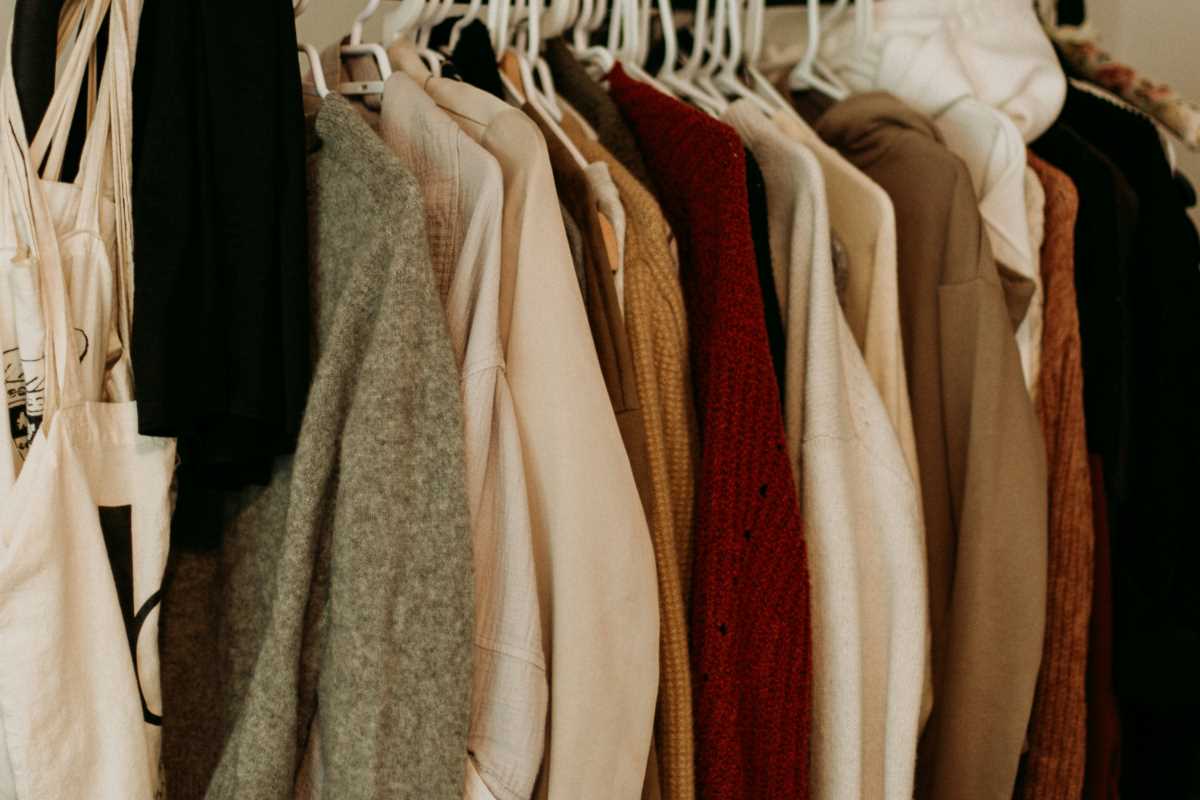
It might seem odd to buy less clothing when trends are always changing, but simplicity is truly taking over this season. A capsule wardrobe is all about having a thoughtfully chosen set of versatile pieces you can mix and match for different looks.
Why It Matters
Buying lots of cheap, trendy clothes might seem fun, but they rarely last and usually end up tossed out after a few wears. This leads to heaps of wasted fabric and resources. Choosing a capsule wardrobe helps turn things around by focusing on clothes that hold up over time. You end up with favorites you can wear for years instead of weeks, and your closet feels less crowded, too.
How to Build Your Winter Capsule
Start by taking stock of what you already have. Focus on sturdy, timeless basics that will anchor your winter outfits.
- Neutral Knitwear: A chunky sweater in cream, grey, or camel goes with everything.
- Classic Coats: A well-made wool or trench coat is a timeless investment.
- Durable Boots: Look for versatile boots that can handle snow and slush while still looking polished.
- Layering Pieces: Long-sleeve tees and turtlenecks are essential for adding warmth without bulk.
By mixing and matching these essentials, it’s easy to put together a variety of outfits without needing to shop for new items all the time. Mornings become simpler, and your wardrobe has a lighter impact on the planet.
Secondhand and Vintage Outerwear
Thrifting is now a sign of personal style. This season, gently used coats and jackets are front and center in stylish wardrobes.
The Appeal of Vintage
Older jackets and coats were usually made with care and durable fabrics that stand up over the years. Scoring a pre-loved leather jacket or a pure wool coat from decades past means you’re adding something with history and staying power to your closet.
Trends to Look For
- Shearling Coats: These cozy, fuzzy coats are incredibly warm and have a cool, retro vibe.
- Oversized Blazers: Perfect for layering over hoodies or sweaters for a structured yet relaxed look.
- Puffer Jackets: Vintage puffers often feature bold colors and unique patterns you won't find in stores today.
Choosing preloved options lets these pieces have a second life. You’ll keep them out of the landfill and help slow demand for newly made items. Best of all, your style will stand out thanks to one-of-a-kind finds.
Innovative Eco-Friendly Fabrics
Thanks to new technology and creative thinking, winter wear is looking a lot different this year. Companies are turning away from materials that rely on lots of resources or chemicals and are starting to choose innovative options that are kinder to the planet.
Recycled Wool
Wool has always been a go-to for keeping warm, but making new wool can use a lot of resources. The recycled version takes old sweaters, coats, or production scraps and reworks them into fresh yarn. This method uses less water, lowers the need for raising more sheep, and reduces how many dyes get used. The final product is still cozy and durable, all while using up fewer new materials and supporting a lighter environmental footprint.
Plant-Based Down Alternatives
Down has been the go-to for warmth, but concerns about animal welfare have sparked interest in new ways to keep insulated. Brands are testing out softer, plant-based fibers and smart recycled materials instead.
- Flower Down: Created from wildflowers and a biopolymer, this material is breathable and warm.
- Kapok Fiber: Derived from the seed pods of the Kapok tree, this fluffy fiber is naturally insulating and water-resistant.
- Recycled Polyester Insulation: Many brands are using plastic bottles diverted from oceans and landfills to create high-performance insulation for puffer jackets.
These new materials show that you can stay cozy in the cold without depending on animal-based or traditional plastic options.
Rental Fashion for Holiday Parties
The holiday season fills up with special events, making it tempting to grab outfits you'll only put on once. Renting your party wardrobe is a smart way to keep your closet clutter-free during the festivities.
How It Works
Rather than buying a special outfit just for one party, you can simply rent it for a much lower price. Enjoy your pick for the night, then send it back. Cleaning and upkeep are taken care of by the service.
The Benefits
- Reduces Waste: It stops "single-use" fashion from piling up in your closet or ending up in the trash.
- Saves Money: You get access to luxury designer pieces without the designer price tag.
- Variety: You can experiment with bold trends and colors without committing to them long-term.
Rental companies now feature special winter collections, packed with options like velvet blazers, shiny skirts, and elegant gowns that make a statement at any celebration. This makes it easy to show off your style at every event, without crowding your closet or buying more than you need.
Repair and Upcycling Culture
Fixing up worn garments used to feel like busywork, but now it’s something to be proud of. Creative repairs and turning old items into new favorites are catching on in a big way this winter.
Visible Mending
This creative approach turns repairs into a feature, not something to hide. Picture bright thread stitching over a worn patch on your jeans or a playful fabric appliqué covering an elbow. Your unique touches add personality and show off your creativity, all while extending the life of your wardrobe staples.
- Sashiko Stitching: A Japanese embroidery technique often used to reinforce worn fabric with decorative geometric patterns.
- Darning: Weaving thread across a hole to create a new fabric patch, often done in contrasting colors.
DIY Upcycling
Upcycling takes an old item and transforms it into something new.
- Sweater to Scarf: Turn an old, shrunken sweater into a cozy infinity scarf or a pair of mittens.
- Denim Redux: Cut up old jeans to make a patchwork tote bag or a denim skirt.
Taking these steps helps us honor the journey of our clothing. Instead of tossing items at the first sign of wear, we learn to value and care for what we already own. This way, each piece tells a story and lasts longer, reducing the need to shop for replacements.
Cruelty-Free Accessories
Accessories are the final touch that can transform any winter outfit, and interest in animal-free options is reaching new heights.
Vegan Leather
Traditional leather-making uses a lot of chemicals and natural resources, which can take a toll on the environment. The good news is, updated alternatives have moved far beyond the "pleather" you might remember.
- Mushroom Leather (Mycelium): Grown from fungal roots, this material mimics the texture and durability of animal leather.
- Cactus Leather: Made from the Nopal cactus, this organic material is soft, durable, and biodegradable.
- Apple Leather: Created using leftover pulp from the apple juice industry.
Sustainable Knit Accessories
Hats, scarves, and gloves are must-haves during cold months. Check out companies that offer accessories made with organic cotton, hemp, or Tencel (sourced from wood pulp) instead of regular cotton or acrylic. These kinds of fibers feel softer, offer better comfort, and naturally break down over time, so they help keep microplastic pollution in check.
Transparency and Ethical Labor
Shopping with a conscience is also about caring how clothes are made and who makes them. This season, more people are asking brands to be open and honest about how their products are created.
What to Look For
Savvy shoppers are going beyond catchy marketing claims and digging deeper for real action. They want brands to back up their promises with proof, like certifications, transparent sourcing, and honest reporting, rather than just putting eco-friendly labels on their products.
- Fair Trade Certification: Ensures workers receive fair wages and work in safe conditions.
- B Corp Certification: Indicates a company meets high standards of social and environmental performance.
- Supply Chain Disclosures: Brands that openly list their factories and suppliers build trust.
Choosing companies that treat workers fairly means you can wear your winter coat with confidence, knowing it was made responsibly. Supporting these values puts people first and reminds us that style and care for others can go hand in hand.
Minimalist Color Palettes
Bright, in-the-moment shades often depend on intense chemical dyes that can harm waterways. This season, a new favorite is emerging: clothes made with undyed or naturally tinted fibers.
The "Undyed" Look
Wearing items in their original fiber shades (like cream, beige, brown, and light grey) brings a timeless and relaxed vibe to your look. These hues give off an easy elegance that feels both grounded and naturally stylish.
Natural Dyes
If you love adding a splash of color to your wardrobe, try pieces tinted with plant-based or naturally sourced dyes like roots and berries. These gentler options are easy on the environment and add a creative twist to your winter look.
- Indigo: Provides rich, deep blues.
- Madder Root: Creates warm reds and terracottas.
- Turmeric: Yields vibrant yellows.
These natural shades are usually gentler on the eyes than bright, artificial ones. Over time, they age in a way that adds depth and uniqueness to each piece, giving your wardrobe extra personality instead of looking faded or tired.
How to Start Your Sustainable Winter Journey
Making your closet more thoughtful doesn’t happen all at once. Instead, it’s about small, mindful steps that add up over time.
- Shop Your Closet First: The most sustainable garment is the one you already own. Rediscover forgotten pieces before buying new ones.
- Read the Label: Check the fabric composition. Aim for natural, recycled, or organic materials.
- Quality Check: Inspect seams, buttons, and zippers. If it looks flimsy in the store, it won't last the winter.
- Care for Your Clothes: Wash less often, wash in cold water, and air dry when possible to extend the life of your garments.
The world of winter style is seeing some exciting changes. People are shifting away from fast-buying and gravitating instead toward pieces that last, feel good to wear, and are thoughtfully made. Staying warm now means looking for unique vintage finds, adding a few quality essentials, like those crafted from repurposed wool, or considering a borrowed outfit for that special occasion. Putting time into mending a favorite sweater or jacket isn’t just practical, it’s rewarding and stylish, too. Each small decision to be more intentional with your wardrobe can help create a positive ripple effect. With these ideas, you can show off your look, make a difference, and enjoy every layer you put on this winter.